Emerald ash borer (EAB) was confirmed in Wisconsin in 2008 and reached Milwaukee County shortly after. Since then, it has killed the overwhelming majority of untreated ash trees across the city and suburbs. If you have an ash tree on your property, you have three options: treat it, remove it, or wait and remove a dead, brittle, dangerous tree later. There's no fourth option, ash borer doesn't leave healthy trees alone.
What Ash Trees Look Like
Before you worry about EAB, make sure you actually have an ash. Ash trees in Milwaukee have:
- Opposite branching, twigs and buds grow directly across from each other, not staggered.
- Compound leaves with 5–11 leaflets on a single stem.
- Diamond-pattern bark on mature trees, ridges and furrows that form consistent diamonds.
Not sure? Take a photo of the leaves, bark, and a full-tree shot and text it to us. We'll ID it for free.
The Five Signs Of EAB Infestation
1. Canopy dieback (top-down)
EAB kills the tree from the top down. If the crown is thinning while the lower canopy still looks OK, that's an early red flag.
2. D-shaped exit holes
About 1/8-inch across, distinctly D-shaped (not round). These are where adult beetles emerge. Look on the trunk and larger branches.
3. S-shaped tunnels under the bark
Peel back a small piece of loose bark, if you see winding S-shaped galleries in the wood, that's larval feeding. This is what actually kills the tree by cutting off nutrient flow.
4. Increased woodpecker activity
Woodpeckers strip bark to get at EAB larvae. If your ash suddenly has lots of shredded bark or "flecking" and increased woodpecker attention, EAB is the reason.
5. Epicormic shoots
New shoots sprouting from the trunk or base, the tree's last-ditch survival response.
Treat Or Remove? A Simple Decision Rule
- Less than 30% canopy loss: treatment is viable if the tree matters to you (mature specimen, high property value). Requires re-treatment every 2–3 years, permanently.
- 30–50% canopy loss: gray zone. Treatment sometimes works, often doesn't. Get a professional assessment.
- More than 50% canopy loss: remove it. The tree is dying and will fail. Every month you wait, the wood gets more brittle and the removal gets more dangerous.
Why Dead Ash Are More Dangerous Than Other Dead Trees
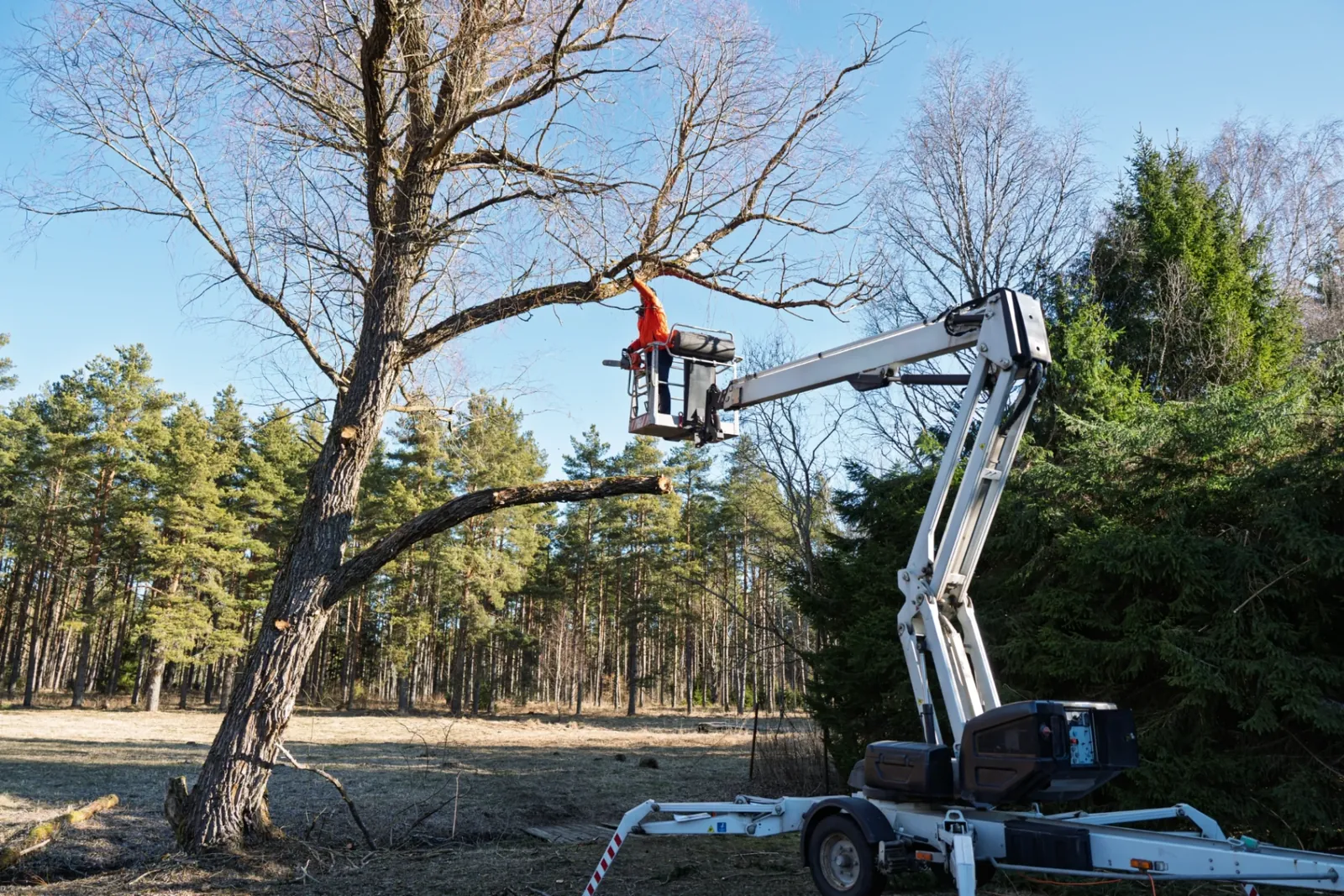
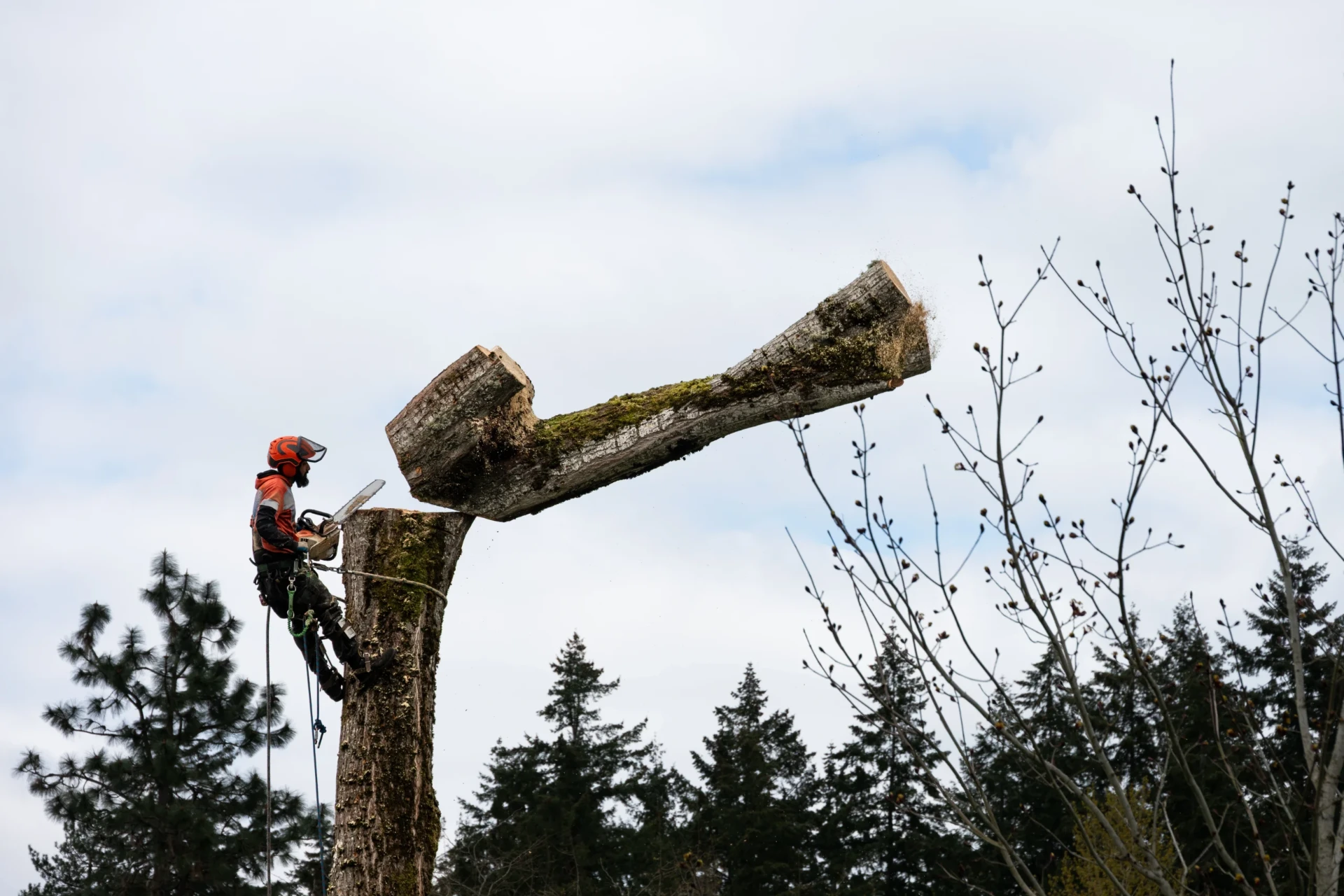
EAB-killed ash lose structural integrity fast. Wood becomes brittle within one to two years of tree death, and dead ash regularly shed large limbs or entire tops without warning, often in calm weather. That's why arborists price ash removal higher: climbing a dead ash is significantly more dangerous than climbing a healthy tree, and many require aerial-lift or crane assistance.
The economic argument is straightforward: an ash removed while it's still standing and somewhat intact costs less than an ash removed after it's shed limbs or partially collapsed. See Milwaukee tree removal cost for pricing detail.
What Comes Next
If you're not sure where your ash stands, get an assessment. We'll tell you honestly whether the tree is still treatable, whether it's an emergency, or whether you have time to plan the removal on your schedule. For emergency situations, see our storm damage guide.