It's one of the first questions we hear after a storm: "Will my insurance pay for this?" The honest answer is that it depends on why the tree came down and what it hit. Every policy is different, so treat this as a guide to the right questions, not a promise of coverage. Your policy and your agent have the final word.
When Insurance Usually Covers Tree Removal
Most standard homeowners policies cover a fallen tree when both of these are true:
- A covered event caused it. Wind, lightning, hail, and the weight of ice or snow are common covered causes.
- It damaged a covered structure. Your house, detached garage, shed, or fence.
In that case, the policy typically pays to repair the structure and, up to a limit, to remove the tree from it. Removal limits are often a fixed amount per tree and per event.
When Insurance Usually Doesn't
- Dead or neglected trees. If a tree was obviously dead or decayed and the insurer decides it was a maintenance issue, the claim may be denied.
- Removing a tree before it falls. Preventive removal is generally the homeowner's cost.
- A tree that fell in open yard. No damage to a structure often means no removal coverage, unless it blocks a driveway or accessibility ramp.
- Stump grinding and landscaping. Usually not included.
This is why a dead ash or a split trunk is worth dealing with now. See our guide on when to remove a tree.
What to Do Right After a Tree Falls
- Stay safe. Keep everyone away. Assume any wire touching the tree is live and call WE Energies.
- Take photos from several angles before anything is moved, including the stump or root plate.
- Call your insurer to open a claim and ask about your tree removal limit.
- Prevent further damage. Most policies expect reasonable steps like tarping a roof. Keep receipts.
- Get a written estimate from an insured tree service.
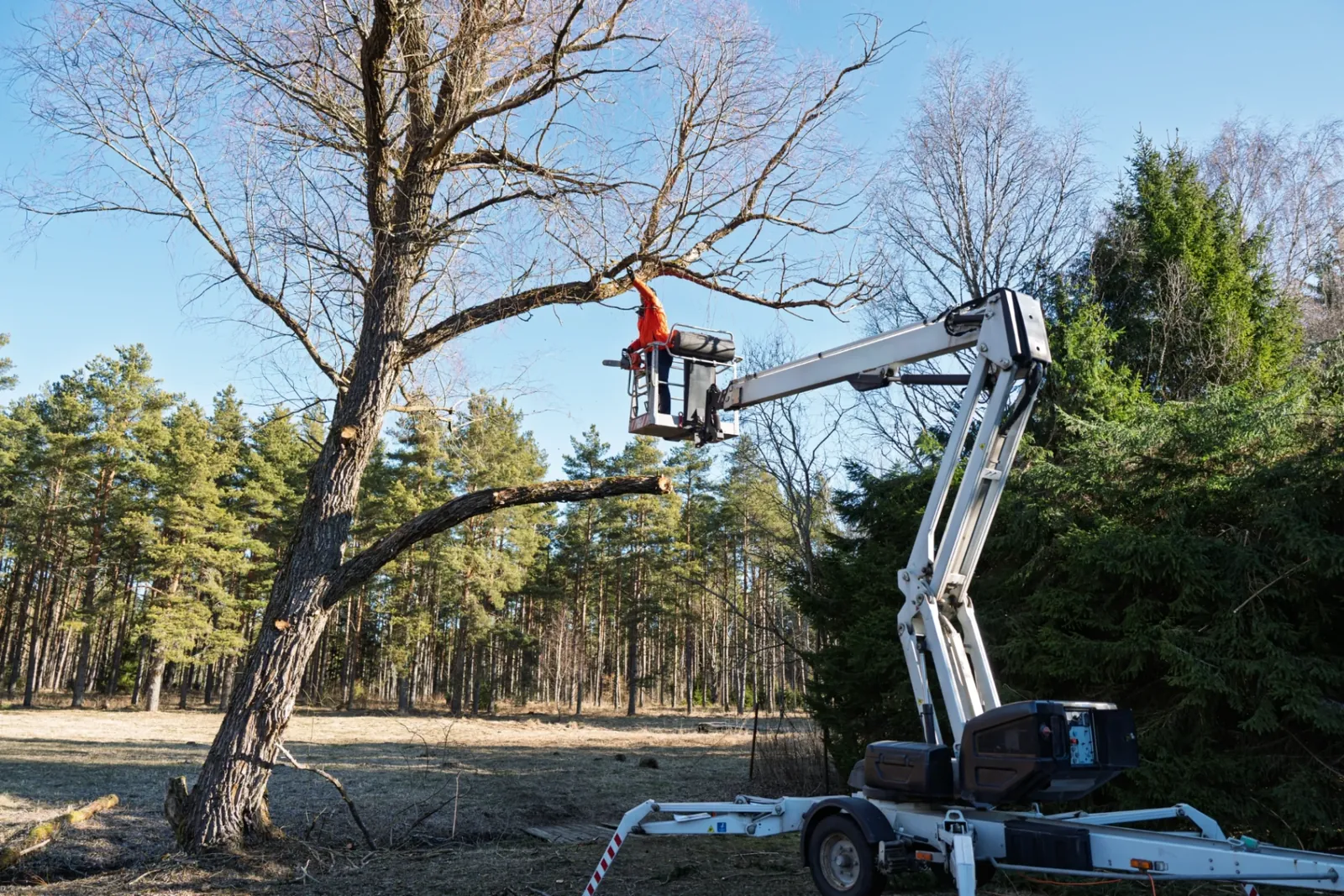
Our emergency tree removal crew provides same-day response, photos, and an itemized invoice for your claim.
If It Was the Neighbor's Tree
In many cases your own policy handles damage to your property, even if the tree grew next door. Read our guide: my neighbor's tree fell on my property.