A neighbor's tree coming down on your garage is stressful, and it gets more stressful when nobody's sure who is responsible. This guide covers how it usually works. It is not legal advice. For a dispute, talk to your insurer or a Wisconsin attorney.
First: Safety and Photos
- Stay clear of the tree and any wires. Call WE Energies if lines are involved.
- Photograph the damage, the tree, and the stump or root plate before anything moves.
- Let your neighbor know, calmly. Most of these situations resolve without conflict.
Who Usually Pays
If a storm knocked down a healthy tree, it's typically treated as an "act of nature." Each homeowner's own insurance handles damage on their own property.
If the tree was clearly dead or neglected, and the owner knew or should have known, the owner may be found responsible. That's why it's worth putting concerns about a dangerous tree next door in writing.
For more on how policies handle this, see does homeowners insurance cover tree removal.
Overhanging Branches
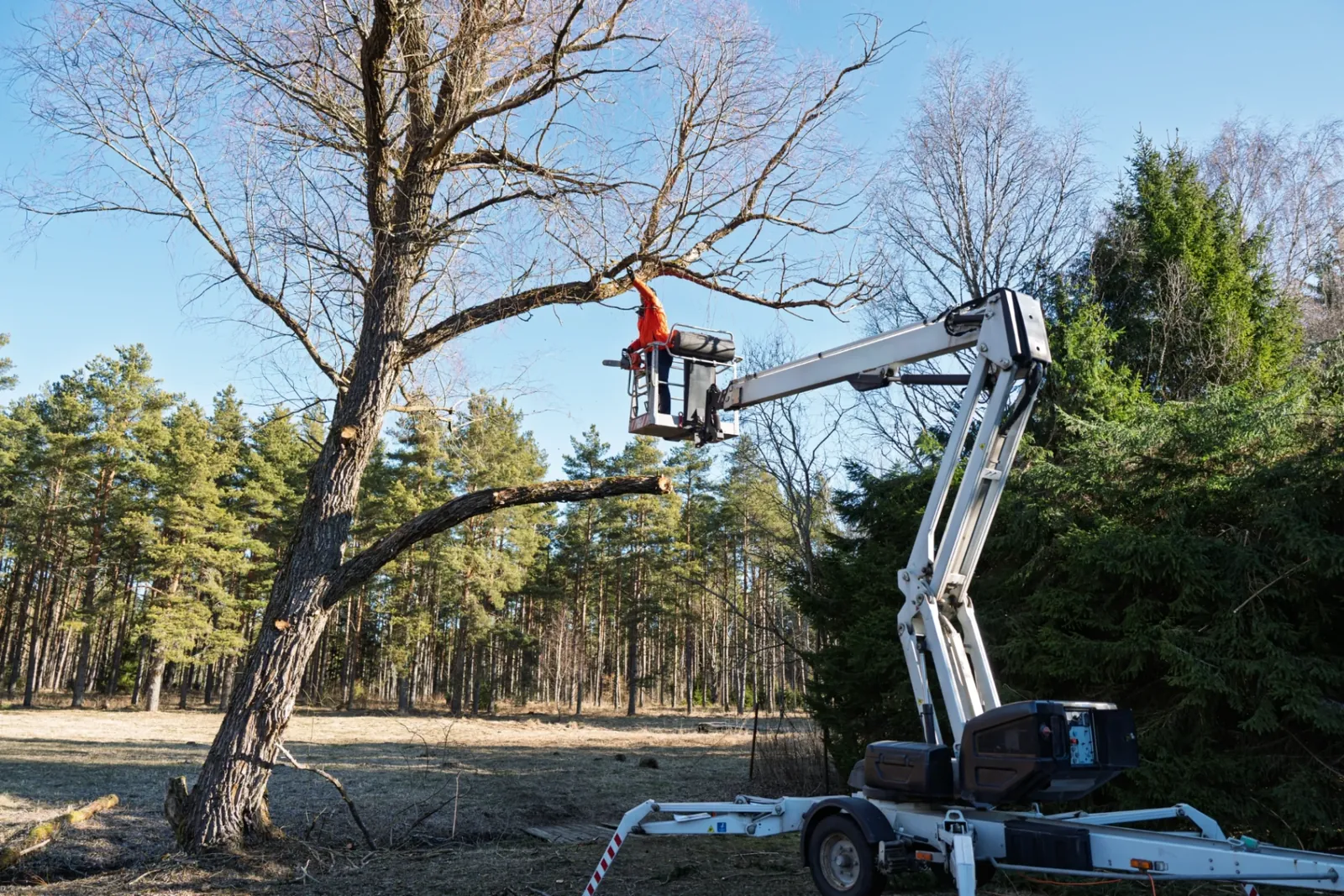
Generally you can trim branches that cross onto your property back to the line, at your own cost, without harming the tree. Heavy cuts that kill or destabilize the tree can create liability. A professional tree trimming crew will prune to ANSI A300 standards so the tree stays healthy.
Trees on the Property Line
When the trunk sits on the line, the tree is often treated as shared. Get agreement from both owners before removal or major pruning.
Worried About a Tree Next Door?
Warning signs include dead limbs, cracks in the trunk, mushrooms at the base, and a new lean. See the 7 warning signs a tree needs removal.