Wisconsin's wet springs and humid summers are ideal for fungus. Most of it is harmless. Some of it quietly hollows out a trunk. Here's how to tell the difference.
Mostly Cosmetic: Leaf Diseases
Apple Scab (crabapples)
Olive-brown spots on leaves and early leaf drop in summer. Unsightly, rarely fatal.
Anthracnose (maples, ash, oaks)
Irregular brown blotches along leaf veins after a cool, wet spring. Trees usually leaf out normally next year.
Tar Spot (maples)
Black, raised spots that look like drops of tar. Cosmetic. Raking leaves in fall helps.
Serious: Diseases That Kill Trees
Oak Wilt
Leaves on red oaks wilt and drop quickly in summer, often starting at the top. It spreads through connected roots and beetles. Prevention is mostly about timing: see when not to prune oaks in Wisconsin.
Dutch Elm Disease
Yellowing and wilting leaves on one branch that spreads through the crown. Infected elms usually need removal.
Emerald Ash Borer
Technically an insect, not a fungus, but it's behind many dying ash trees in Milwaukee. See our emerald ash borer guide.
Dangerous: Trunk and Root Decay
Mushrooms at the base, shelf fungus (conks) on the trunk, soft or crumbly wood, and cavities all point to internal decay. The canopy may still look green while the structure fails. These trees can drop limbs or fall in a storm.
- Conks on the trunk or root flare
- Oozing, cracks, or peeling bark
- Dead branches concentrated on one side
- A new lean or heaving soil
What You Can Do
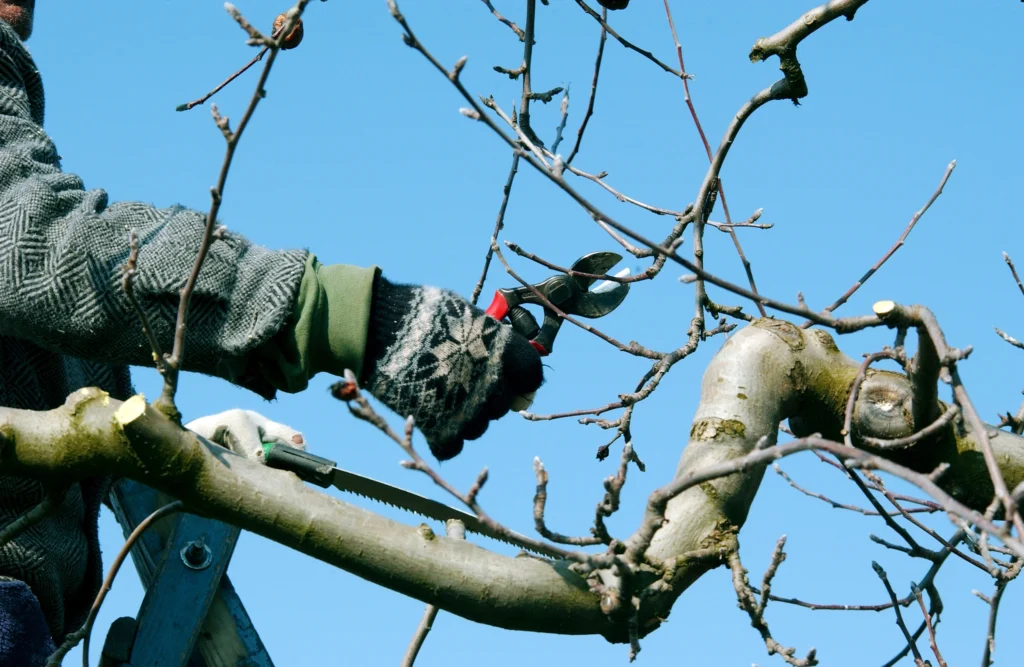
- Prune for airflow. Proper tree trimming removes infected limbs and reduces leaf disease.
- Clean up leaves in fall to reduce spores next spring.
- Water in drought. Stressed trees get sick faster.
- Don't move firewood. Follow Wisconsin DNR guidance.
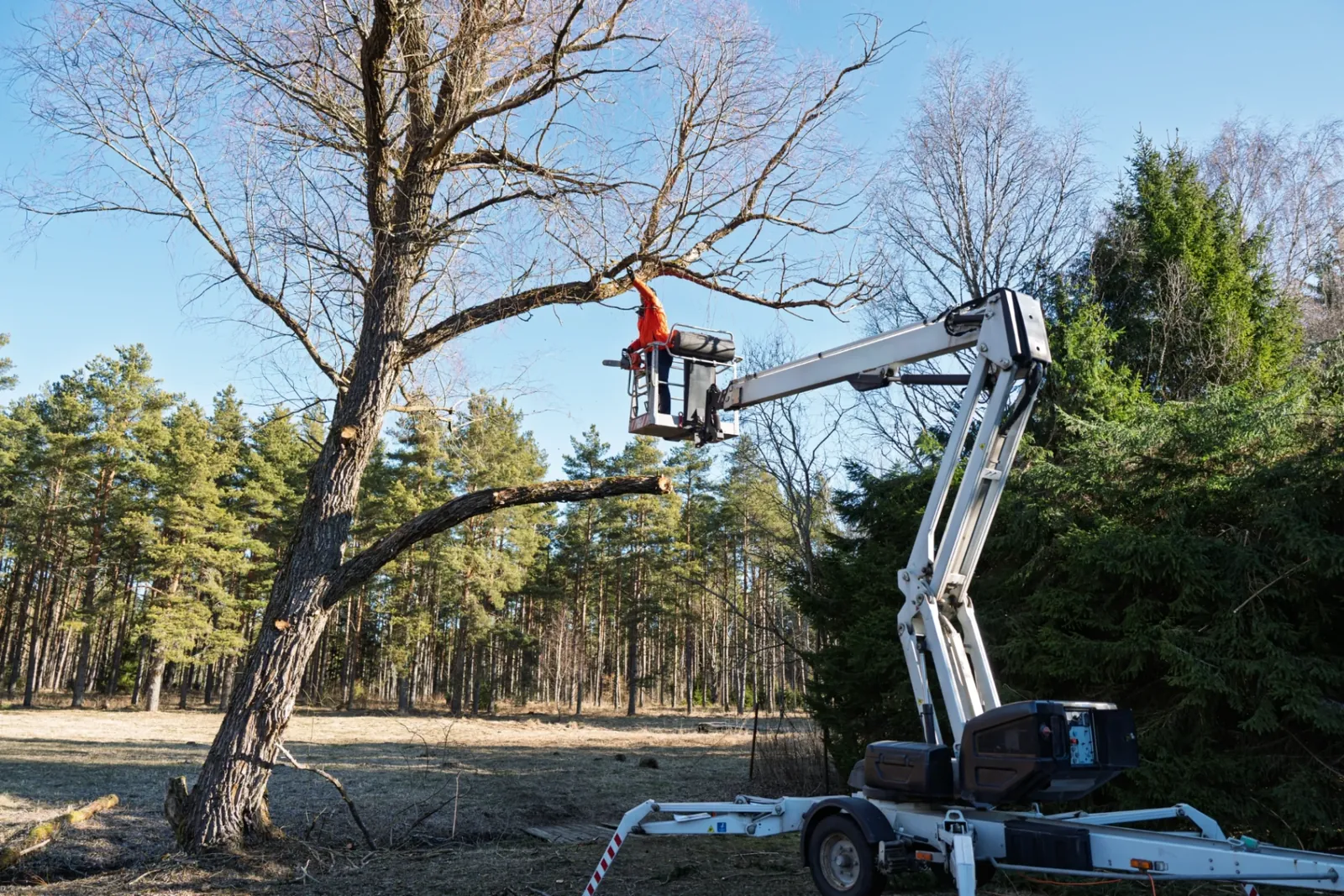
- Remove hazardous trees before they fail. See tree removal.